
Firstly, you are not alone.
Reflux affects about 50% of babies UK and the USA, and “official” statistics are about 40% in Ireland, 30.8% in Eastern Cultures and 20% in Australia and New Zealand. Why so low in Australia & New Zealand? They have a fantastic postnatal support system via their healthcare.
When you do the math across the global population, the number of infants who will suffer from reflux annually is between 3 and 33 million—every year. ~Research via Aine Homer
We are often told that reflux is normal, but; It is not. Reflux is common. Reflux is not normal.
Defining the Basics
Reflux in newborn babies, often referred to as gastroesophageal reflux (GER) or infant reflux, is a common symptom that affects many infants during their early months of life. It is essential to understand that reflux in babies is usually a temporary and benign issue that resolves on its own as the baby’s digestive system matures. *But…it does not feel benign!
Understanding the Digestive System
To comprehend reflux fully, we must first explore the intricacies of your baby’s developing digestive system. At birth, your baby’s gastrointestinal tract is still in its early stages of development, and it may take several months for it to function optimally. When baby is between 3-5 weeks old the Gastro-colic relfex kicks in…
Gastro-colic reflex
When a baby starts pulling away from the breast or bottle, fidgets, grunts, passes some wind or a poo and then returns to feeding, this is due to the gastro-colic reflex. This is normal baby behaviour! Feeding stimulates the gastro-colic reflex, which triggers an urge to poo. Sometimes a baby will poo, sometimes pass wind, other times there will be nothing to show for his efforts. When observed during feeding this reflex is often mistaken as a sign of pain…..and often the reason reflux is misdiagnosed so early on – and why medications should never be used this early on as this reflex needs time to develop.
Hypersensitivity of the gastro-colic reflex, which presents as frequent spasms which occur in waves that continue on and off for hours, is one of the many theories on causes of colic in babies younger than 4 months. Another theory on the cause of infant colic is that the baby’s distress occurs as a result of an exaggerated gastro-colic reflex action, which causes intense, painful spasms of the intestinal wall. It is believed that these spasms can continue for hours, during which time the baby is distressed. The baby’s pain is believed to be relieved when she poos or passes wind, read the blog below to read another reason for colic.
How Reflux Occurs
Reflux occurs when the contents of your baby’s stomach flow back into the oesophagus (the tube that connects the throat to the stomach). This backflow can be caused by a variety of factors. When this happens, it can lead to discomfort and other symptoms in your infant.
The Importance of Recognising Reflux
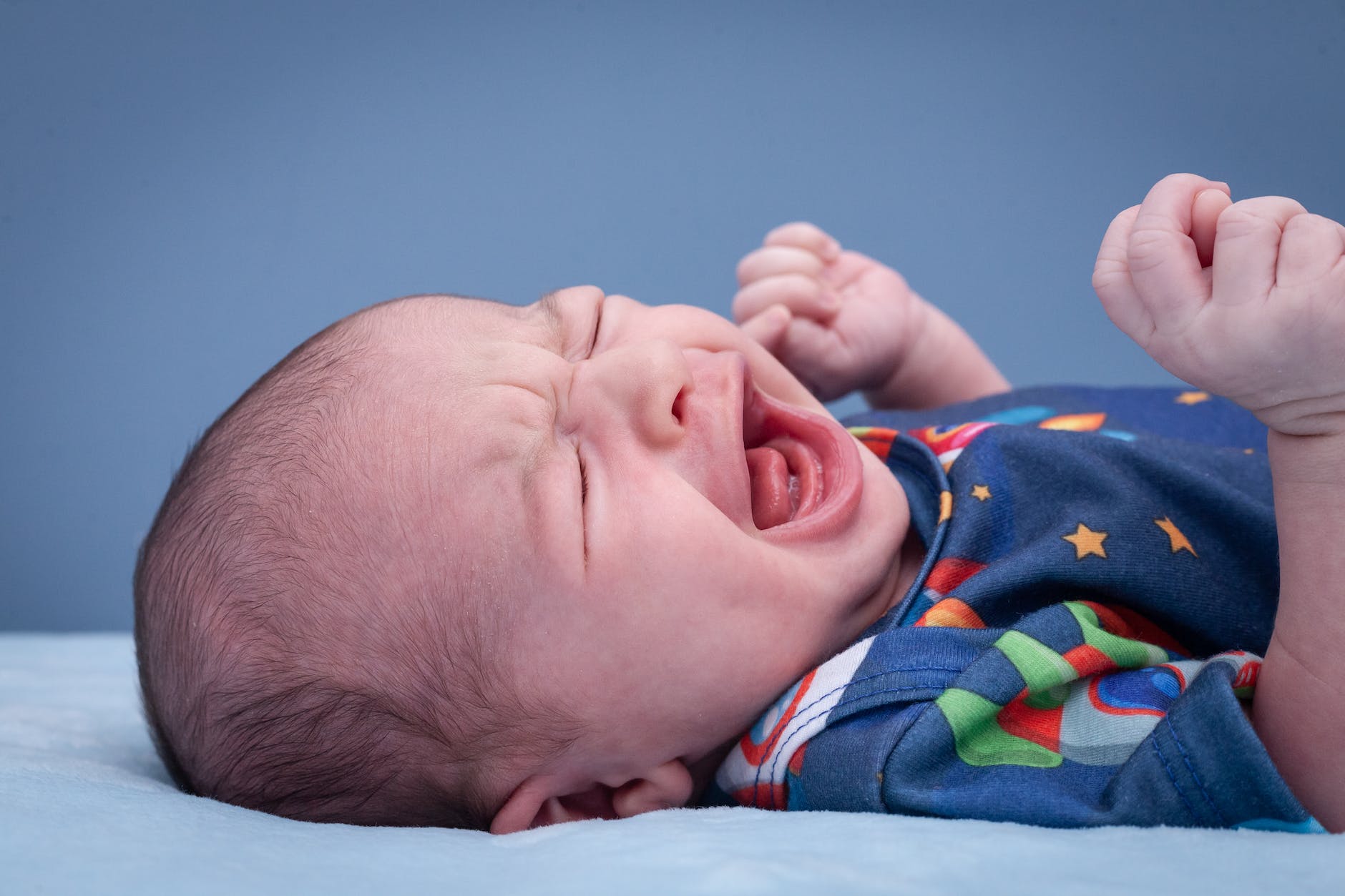
While reflux in infants is typically not a serious medical concern, it can be very distressing for both you and your baby. Recognising the signs and symptoms of reflux is the first step in managing the condition effectively and holistically. Although infant reflux may be short lived there are many consequences as babies get older so addressing relfux as a symptom is important from the offset.
Something to remember; Reflux is a symptom, not a disease or diagnosis.
If you are only a couple of weeks into your parenting journey and still not sure if it is colic or reflux, head over to this BLOG POST

~Rachel
Reflux, Infant Reflux, Baby Reflux, Reflux Dumfries, Reflux Scotland, Reflux UK

 Rose Wellbeing Therapies®️