Are you pregnant or just had a baby? Did you or have you considered your own postnatal recovery or care?
Postnatal care in the UK has been a topic of debate for years. New mothers often struggle to find support and feel neglected in a system that prioritises the needs of the baby over their own. This neglect is reflected in the gifts given to new parents, which are predominantly baby clothes and toys, rather than practical support for the mother. In contrast, in other cultures around the world, the new mother is celebrated, and family members rally around to take care of all the chores, allowing the mother to rest and get to know her baby. The Why postnatal matters book is an amazing read, I encourage everyone to read this during pregnancy, it will really shift your percerption of what postnatal recovery should look and feel like. It’s time to nurture a more supportive culture towards postnatal care. Here are my practical ways to support new mothers and show them they are valued;
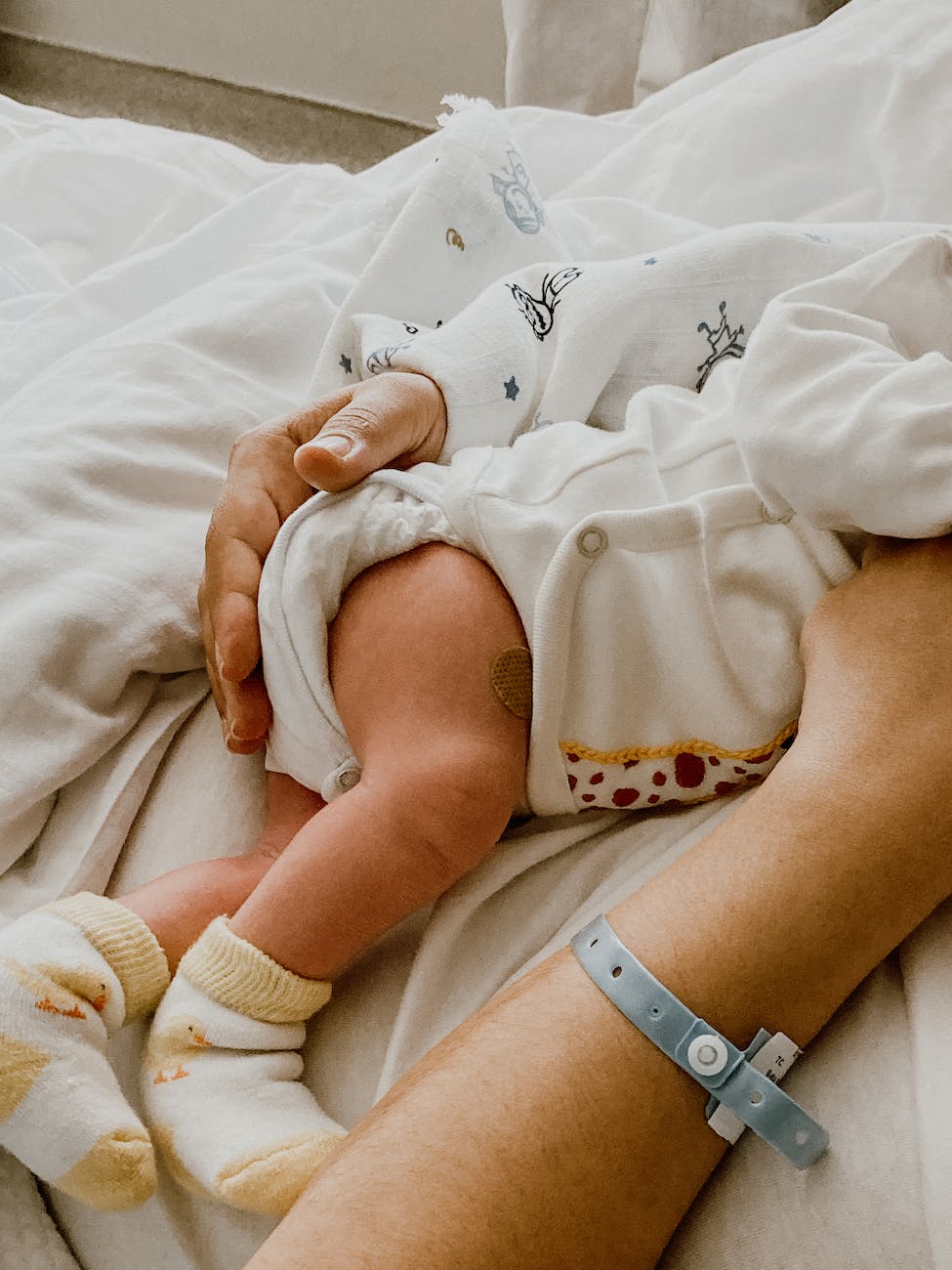
Asking how she feels:
The first step in supporting a new mother is to ask how she feels. This simple act shows that you care about her wellbeing and are there to support her. During the postnatal period, mothers can experience a range of physical and emotional challenges, including sleep deprivation, anxiety, and depression. By asking how she feels, you create a space for her to share her thoughts and feelings. Are you the new Mum? Who is checking in with you? Who can you speak to when you feel any struggles?
Checking in with Dad:
It’s also important to check in with Dad during the postnatal period. Fathers can often feel neglected and left out of the equation, and their mental health is just as important as the mother’s. By checking in with Dad, you show that you care about his wellbeing and that he is a vital part of the new family unit. It can feel daunting and overwhelming for new Dad’s, and they feel useless so ask them how they are too.
Buying her a takeaway coffee/lunch:
New mothers often have little time for themselves and can struggle to find the energy to cook or prepare food. Offering to buy her a takeaway coffee or lunch can be a simple but effective way to show your support and help her feel valued. If you are bringing something for baby……consider bringing something for Mummy too, it will make her day! Have you got friends or family close by who can nip and get you your favourite coffee or drink? Are you dying for a scone or sweet treat, ask someone to get these for you, people will only be happy to help!
Offering to cook for them or drop off food:
Another practical way to support new mothers is to offer to cook for them or drop off food. Warming foods like soups can be particularly helpful, especially if the mother is breastfeeding. By taking the pressure off meal preparation, you allow the mother to focus on resting and bonding with her baby. Dad’s….this is your cue if you want to be helpful, this can really nourish Mum and Baby while taking the pressure off her to be cooking (and cleaning!). An amazing read is this BOOK….. learn how to nourish Mum in those first 40 days after birth and labour.
Postnatal recovery is an incredibly important aspect of the birthing process, yet it is often overlooked in our society. The physical, emotional, and psychological changes that come with giving birth can be overwhelming and challenging for new mothers, and it is essential that they receive proper care and support during this time. The book, as mentioned, “The First Forty Days: The Essential Art of Nourishing the New Mother” by Heng Ou, Amely Greeven, and Marisa Belger, offers a comprehensive guide on postnatal recovery, providing insight into traditional postpartum practices from around the world. By taking the time to understand and prioritise postnatal recovery, new mothers can heal and thrive during this transition, allowing them to better care for themselves and their newborns.
Asking permission to visit:
Visiting a new mother can be a double-edged sword. On one hand, she may appreciate the company and support, but on the other hand, she may feel overwhelmed and exhausted. Always ask permission to visit, and respect her decision if she declines. If you do visit, keep your visit short and focus on practical ways to support her, such as helping with household chores. Mum, it is your prerogative to decide if you would like visitors or not, you may feel like just close family are welcome in the first few weeks and instead of worrying about it, know that people will respect your decision either way.
Asking permission to touch/lift baby:
New mothers can be fiercely protective of their babies, and it’s important to respect their boundaries. Always ask permission before touching or lifting the baby. This shows that you respect Mum’s role as the primary caregiver and that you are there to support her, not take over. It can be very overstimulating for baby to be passed from pillar to post and this may lead to them not sleeping or feel fractious, so YOU get to decide who can hold and cuddle your baby. In my other blog Simplicity over Sensory you can read about sensory overload.
Helping with household chores:
Household chores can quickly pile up during the postnatal period, and new mothers may struggle to keep up with them. Offering to hang out the washing, hoover, or clean the kitchen can be a practical way to support a new mother and allow her to focus on rest and recovery. She will feel so appreciative and just feel like a weight has been lifted from her….especially from the ‘mental load’. Mum….you can ask for help! As I said, people will only be too happy to help. There is just so much to do, we are so faraway from the way other cultures recover after birth in this western world. Consider a postnatal doula, a cleaner, family members and friends to be there in your recovery period, which if I haven’t mentioned already is those first 40 days!……at least.
Taking the baby for a walk:
New mothers can benefit from a break, and taking the baby for a walk can be a great way to give her some much needed rest. If there are older children, taking them to the park or a toddler group can also be a helpful way to allow Mum to bond with the new baby. Mum, have trust and stipulate how long the walk should be, you may feel fine just for one hour or maybe it is enough that someone only nips round the block with baby while you shower.
Allowing Mum to stay in bed:
New mothers need to rest, and allowing them to stay in bed in their pj’s or comfies can be a simple but effective way to support them. This allows them to recover and bond with the baby without the added pressure of getting dressed and ready for the day. Mum, if you are pregnant go and get yourself the comfiest of PJ’s you can find and know that this may your fashion for a few weeks, staying in comfortable clothes can really aid recovery time, as this lets the brain and body know that you are resting, recovering and recuperating. YES….you are allowed to stay in bed! Seriously, lie down and bond with baby, sleep when you can and tune into your body, how it feels and bring awareness to how you are healing. Sit in bed and grab this FREE relaxation to do, this will tap into your intuition;
If you are looking for postnatal recovery, mental health and more, check out my list of recommendations for pregnancy and new parents below;
Look after YOU in the postnatal period, Look after the NEW MUM in the postnatal period, that support will go a long way and will be so appreciated. Remember 40 days of recovery is what is needed and that will set MUM and BABY up for attachment, deep healing & recovery and building a small village of support around their family. ~Rachel

 Rose Wellbeing Therapies®️